

East Coast Recovery bridges those gaps, giving South End clients hospital-level support by day and the option to sleep in their own beds—or in our sober-living residence—each night.

Address: 215 Chief Justice Cushing Highway, Cohasset MA 02025 Phone: (617) 390-8349
Our day treatment delivers six hours of structured therapy, five days a week. You’ll immerse yourself in cognitive-behavioral groups, individual counseling, and family sessions, then return home—or to our sober house—for the evening. For many South End residents balancing work or caregiving, this program offers inpatient intensity minus overnight separation.
Partial day treatment trims attendance to 10-12 clinical hours weekly—usually late afternoon or early evening blocks—so you can keep up with school or work obligations. Expect skill-focused groups, trauma-informed therapy, and peer accountability that deepens coping capacity without dismantling daily life.
Graduates step down to weekly or bi-weekly counseling and alumni groups, reinforcing relapse-prevention strategies while you rebuild routines back in the South End.
For opioid or alcohol use disorder, evidence-based medications such as buprenorphine or naltrexone are paired with counseling. The Substance Abuse and Mental Health Services Administration notes MAT improves survival and boosts retention in treatment, making recovery more durable.
The National Institute on Drug Abuse explains that substance use and mental illness commonly intersect, complicating outcomes if treated in silos (NIDA co-occurring disorders). Our clinicians screen every client for anxiety, depression, PTSD, and other conditions, then integrate psychiatric support and evidence-based therapies—such as EMDR or DBT—into your addiction plan from day one.
Fridays often conclude with small-group therapy on Cohasset’s Sandy Beach, where sea air and open horizons make vulnerability feel safer.
Nature walks in Wompatuck State Park, cookouts on our lawn, and evening shuttles to Boston AA/NA meetings ensure you practice sober living in real-world settings before graduation.
Call (617) 390-8349 or fill out the secure contact form for a confidential conversation about South End drug rehab. An admissions coordinator will:
From the first hello, you’ll know you’ve landed where people learn to thrive, not merely survive.
Most clients drive to Cohasset in 40 minutes via I-93 S and MA-3 S, while the MBTA Greenbush Line reaches Cohasset Station in about an hour door-to-door, including a five-minute ride-share hop.
No. All programs are outpatient by design. Many South End residents sleep at home; others opt for our sober-living house when home triggers are strong or commuting is burdensome.
Our dual-diagnosis model addresses mental health and addiction simultaneously. You’ll meet clinicians trained to manage medications, trauma therapies, and relapse-prevention strategies in one integrated plan.
MAT medications stabilize brain chemistry so you can focus on therapy; they are administered under strict medical supervision and have been shown to increase treatment retention, reduce illicit opioid use, and lower overdose risk—benefits documented by SAMHSA.
East Coast Recovery is in-network with most major insurers. Our admissions team verifies benefits quickly and transparently explains any out-of-pocket costs before you commit.
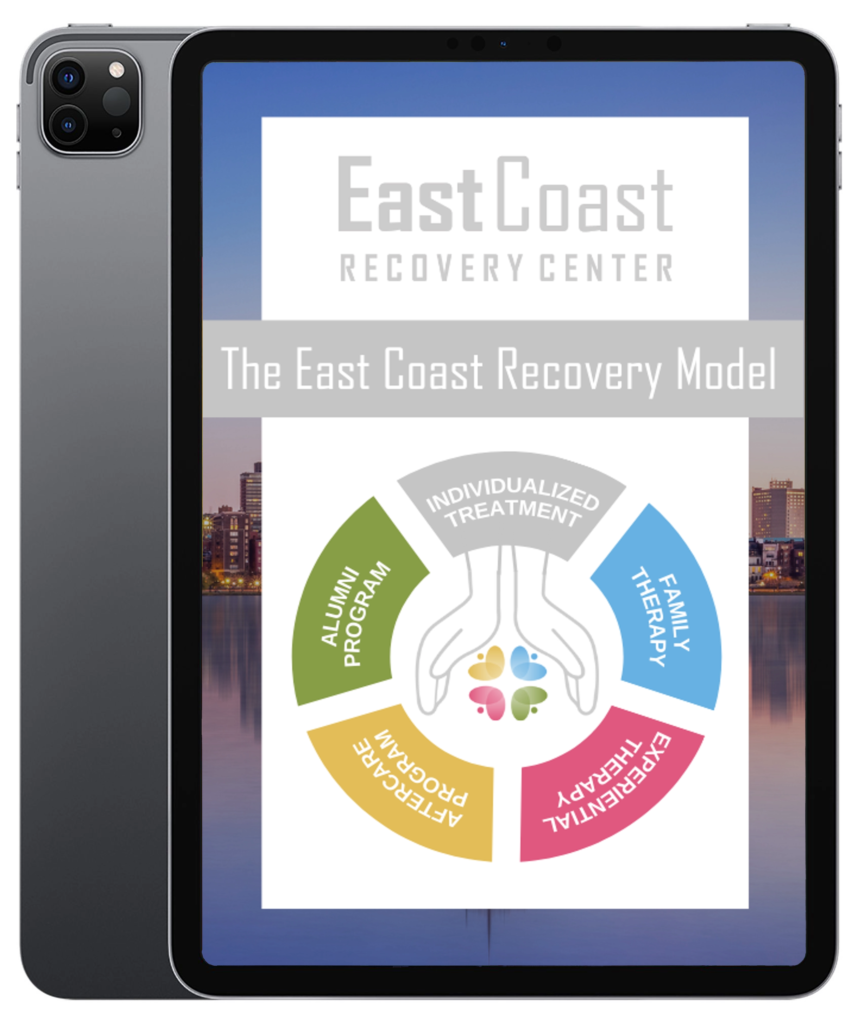
Download Our FREE East Coast Recovery Model eBook
FREE Insurance Verification









Helping Those Struggling With Addiction Achieve SUCCESS