


In general, psychotherapy is the procedure of treating psychological problems and mental distress by means of verbal and psychological methods. During this process, a psychotherapist assists the patient in dealing with specific or general issues such as addiction. Therapists employ diverse methods and strategies in therapy, depending on the approach taken. Nearly all types of psychotherapy involve establishing a therapeutic relationship, communicating and forging a dialogue, and addressing problematic thoughts or actions. Despite the fact that psychotherapy is increasingly regarded as a profession in its own right, many different professionals provide it, including clinical psychologists, psychiatrists, counselors, marital and family therapists, social workers, mental health counselors, and psychiatric nurses.
Your therapist encourages you to express your thoughts and feelings and to express what is troubling you during most types of psychotherapy. It is fine if you are reluctant to express your feelings. With time, your therapist will help you become more confident and comfortable. During a psychotherapy session, you may experience intense emotional discussions and even cry, become upset, or experience anger. Some people even feel physically exhausted after a session. Your therapist is there to help you deal with these feelings and emotions. Your therapist may ask you to complete take-home assignments, which are activities or practices that build on what you learn in your regular therapy sessions. In time, talking about your issues may improve your mood, alter how you think and feel about yourself, and improve your coping abilities.
Because of the misconceptions about psychotherapy, you may be reluctant to try it. Even if you know the facts instead of the myths, you may still feel uncomfortable about giving it a shot yourself. If your quality of life is not what you want it to be, whether you’re feeling depressed, anxious, or angry, psychotherapy can help. It’s worth the effort to get past your reservations. People seek psychotherapy because they have suffered from depression, anxiety, or anger for a long time or because their addiction has negatively affected their physical or emotional well-being. If you’ve been experiencing any of the following, you should consider starting psychotherapy:
An overwhelming sense of sadness
Feeling helpless
Nothing seems to be improving despite efforts
Excessively worrying
Actions such as substance abuse have begun to negatively impact your life

When clients come to our Cohasset facility, they have the opportunity to participate in multiple levels of outpatient care. With each of these levels we provide individualized treatment plans, owing to the fact that no two clients struggle with the same burdens.
During our full day and partial day programs, clients will have a set schedule of sessions that include individual and group therapy. Our addiction counseling offers a one-on-one opportunity to work with a mental health professional on a weekly basis, meeting at the same time each week to review progress, set new goals, and manage recovery.
One of the ways where therapy can be most useful in an individual capacity is a private and safe place to express emotions or thoughts. It’s not uncommon for people going through recovery to struggle with a lot of maladaptive or otherwise unpleasant feelings.
Group settings might prove a bit uncomfortable for clients especially when they are first starting out. Sharing some of the things that are emotionally distressing or often results in things like anger or crying can be equally difficult in a room full of other people.
However, when you work with our therapists one-on-one, you have a chance to build a trusting relationship, work through those intense emotions, and feel safe becoming upset, crying, experiencing anger, and over time, being more comfortable and confident sharing the things that might be troubling you.
As part of that sharing process, clients often work through things like untreated trauma or secondary mental health disorders to learn more about personal triggers.
Triggers are the things that cause unwanted emotions, often distressing ones, and lead to things like impulsivity or relapse. Triggers are also highly personalized so the things that trigger one client may not be the things that trigger anyone else.
Through our addiction counseling sessions, clients have a chance to learn what their personal triggers are so that they can be in a better position to avoid them or cope with them where necessary.
In cases like cognitive behavioral therapy, clients are given homework assignments in between their sessions, and these assignments can help uncover unprocessed emotions, personal triggers, and other important characteristics associated with recovery.
Then, during subsequent sessions, clients meet with their therapist again to review the homework assignments, see what they have learned, and build toward new goals as a result.
For many of our clients those new goals incorporate the building of healthy coping mechanisms. A client that often turns to alcohol when coping with high levels of stress might learn mindfulness activities, stress management techniques, and the effects of healthy exercise in lieu of that impulsivity.
Like triggers, coping skills are often somewhat unique. There are many skills that might be explored or learned during our individual therapy sessions and then practiced in real time during our group therapy sessions.
After you’ve verified your insurance and completed your assessment, our team will provide a personalized treatment plan which includes a recommendation for a full day or partial day program.
No which of these you choose, you’ll receive a schedule listing when your therapy sessions take place and you’ll be expected to come to our facility during those times.
During your first therapy session, it’s typical to focus more on information gathering, where your mental health professional talks to you about your needs and your goals. You might fill out a few forms about your current and past physical and mental health. All of this helps design personal goals over the span of your treatment plan.
Each week you’ll come to your therapist’s office and meet with them typically once a week for around 1 hour each week. If you’ve been hospitalized for treatment you might receive therapy in a group setting so that you can rely more on the safety and stability of that setting.
The types of therapy used will vary based on personal needs. During that initial session, your therapist will choose the approach that’s most suitable for you, maybe even combining techniques depending on what it is you are dealing with like addiction in isolation or addiction with an underlying mental health disorder like depression.
At East Coast Recovery we offer many types of therapy:
During this type of therapy, you will discuss your experiences in order to better understand and manage your emotions. Psychodynamic therapy is a long-term therapy that lasts for several months, if not years.
Interpersonal therapy focuses on your behavior and interactions with family and friends. This therapy, which lasts 3 to 4 months, is suitable for treating depression resulting from losing a loved one, relationship problems, major life changes, and social isolation.
Cognitive-behavioral therapy helps individuals with mental issues recognize and modify the inaccurate self-images and world perspectives they develop. The therapist directs your attention to the both “right” and “wrong” views you hold about yourself and others in order to help you develop new perspectives.
The idea behind the term ‘dialectical’ is that a better outcome is achieved when two opposites in therapy—acceptance and change—are brought together. DBT helps you change unhealthy habits such as lying and self-injury by keeping daily diaries, participating in individual and group therapy, and receiving telephone coaching.
Working with our team for individual and group therapy means an opportunity to travel to our Cohasset facility, stepping away from the triggers of your normal environment.
Whether you are dealing with addiction or co-occurring mental health disorders, our facility provides a safe place to step away from other obligations and focus exclusively on recovery, while offering the freedom to return home at the end of each day.
Many clients find that this is not only a more affordable and accessible form of care, but it provides a chance to use things like the coping skills and trigger management skills taught during those therapy sessions in real time. Clients who might return home at the end of each session can practice those skills when they get home and then report back to their therapist during their next session.
If you are ready to learn more about our addiction counseling in Massachusetts, call our team today.

Psychotherapy can be an economical alternative to other types of therapy and a viable option for those who do not require psychotropic drugs. Even if you feel that there is something “wrong” in your life that might be improved by talking to a mental health professional, you can still benefit from psychotherapy. The following are some of the significant benefits of psychotherapy:
Improved communication skills
Gain deep insight
Develop healthy thinking patterns
Gain awareness of negative thoughts
Develop better coping strategies
Strengthen bonds with others
Confront past traumas
Improve self-esteem
Mental health therapies such as psychotherapy may be included in your private health insurance or health maintenance organization coverage. Before beginning psychotherapy, you should contact your health insurance provider to see what’s covered. Insurance firms vary in their coverage of mental health conditions. Some insurance plans may not cover certain mental health problems. In addition to community mental health centers, free clinics, religious organizations, and university and medical school education programs, mental health care may be obtained from university and medical institutions. These organizations usually provide high-quality services at a low cost.
It’s never too early to seek treatment for mental illness. Psychotherapy can be an effective treatment choice for a variety of psychological disorders. Seek help as soon as possible, and you’ll be able to get the assistance you need to live a healthier, happier lifestyle. First, when choosing a therapist, think about whether you’d feel comfortable divulging private information to them. Make sure the therapist has the proper qualifications, including the degree they obtained and the amount of time they’ve been practicing. Friends and family may offer excellent referrals if you’re looking for a therapist. If your current sessions aren’t helping or you don’t seem to ‘connect’ with your therapist, there’s nothing wrong with trying someone new. Therapy is both an art and a science. Keep searching until you find someone you feel comfortable with.
Having a mental health problem can be addressed with psychotherapy, but it can also be beneficial for people wishing to learn new coping techniques or gain a better understanding of their thoughts and feelings. If you are interested in trying psychotherapy, the professionals at East Coast Recovery are here to help you get started.
Every individual’s approach to overcoming addiction or mental illness and living a fulfilling life is unique, and substance abuse treatment must respect that. East Coast Recovery Center offers a variety of treatment programs to those who are struggling with substance abuse and mental health issues. Psychotherapy is one of the many therapy approaches we offer. Please get in touch with us today to find out more about what we offer and to begin right away. We look forward to hearing from you.
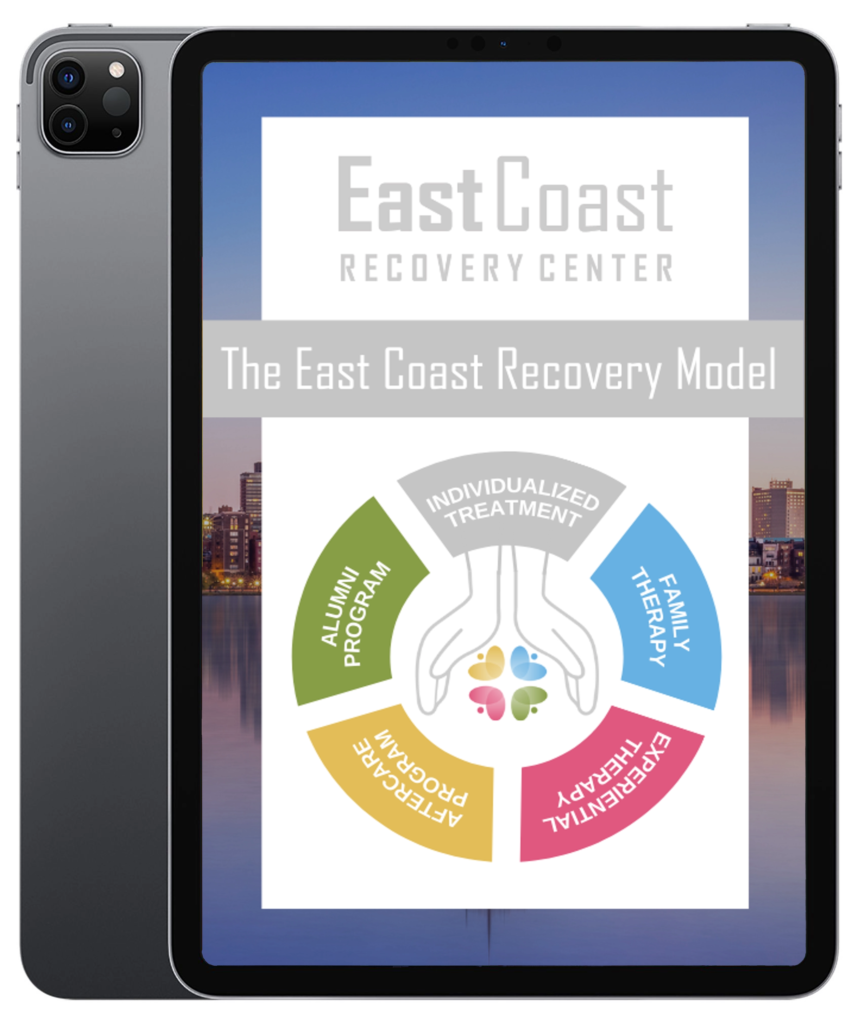
Download Our FREE East Coast Recovery Model eBook
FREE Insurance Verification










Helping Those Struggling With Addiction Achieve SUCCESS