

Hingham, like Massachusetts as a whole, has struggled with illicit substance abuse, opioid overdoses, and alcoholism. For hingham, these issues are particularly problematic for youth. Recent reports indicate that first time drug and alcohol use increases for young individuals during the summer.
Opioid related deaths have increased 2.5 percent since 2022 with higher rates among non-hispanic black residents.
Across the state rates of marijuana, alcohol, illicit drug, and opioid misuse in people aged 12 or older has continued to increase since 2021 with particularly high rates of alcohol use and illicit drug use.
To help combat these issues among youth and adults, the Hingham Police Department participates in an initiative like drug take back day to collect unwanted prescriptions so that they don’t unintentionally become misused.
Still, there remains a need to find reliable alcohol rehab in Hingham or outpatient drug rehab programs.
With East Coast Recovery, we know that residential treatment may be best for severe cases but many people throughout the local area need a more flexible program that can be just as effective but still lets them reside at home.
Outpatient treatment programs provide similar therapies to an inpatient program but it lets you return to a sober living environment or to your home at the end of each day. Because you are returning home, the costs of an outpatient program are often much more affordable.
At our treatment center we offer two different levels of outpatient care:
At East Coast Recovery we also provide sober living support and aftercare programs. Studies indicate that one of the biggest factors that contribute to relapse in people who have completed a rehab program has to do with loneliness and isolation. It is not uncommon to feel apart from your former life and from your current life making a big transition.
That is why you might need a sober living environment as you leave our outpatient program but still work on your coping skills and adjusting to a sober life. That is also why you might need extra support through continued support group access and an aftercare program that holds you accountable. Together these offerings can make it possible to build a sober community around you, share in your struggles and triumphs, and continue to access support when and where you need it.

At East Coast Recovery we offer many evidence-based therapies for our clients.
One of the most common treatments we use is cognitive behavioral therapy. Studies have found that cognitive behavioral therapy is one of the most effective treatments for addiction.
It helps you catch problematic behaviors that might be related to automatic negative thoughts, and change them. With addiction, understanding these thought patterns that might contribute to addictive behavior can help you replace them with positive thoughts that don’t have the same impact on your emotions and actions.
Cognitive behavioral therapy can also help you anticipate your personal triggers, the things that might arise during the rest of your recovery. Knowing the things that might be a trigger for you can help you anticipate them, figure out where you might be most likely to experience them and learn strategies to overcome them.
Many clients benefit from participation in a day treatment program or partial day treatment program because they can practice things like coping skills they have learned during a daily session in real time when they go home at night. This helps to lay the foundation for a strong recovery even after clients leave our treatment center.
Studies have found that mindfulness meditation is highly successful at helping people with addiction recovery, providing an opportunity to move their focus to the present moment and being mindful of different emotions.
Too often people who are struggling with trauma, interpersonal issues, or other challenges in life will try to mask the symptoms or hide them through drugs and alcohol. Instead, mindfulness meditation goes hand in hand with our trauma therapies and experiential therapies to teach clients to sit with their emotions.
Instead of immediately recognizing a negative emotion and trying to push it away thus denying your whole self, these types of therapies help you:
For example, someone struggling with addiction recovery who is triggered can choose to sit with that difficult emotion, recognize it without judgment, and let it pass or they can choose not to be mindful, immediately try to ignore that difficult emotion and struggle with feelings of tension and anxiety while also talking down to themselves all day for their struggle.
We aim to provide all of our clients with the tools to do the first example and not the second. With participation in things like trauma therapy, you might learn more about the factors that have contributed to your addiction while your mindfulness meditation might teach you to recognize trauma triggers in a healthy way.
Cognitive behavioral therapy might teach you to recognize the psychological impact that those triggers have by identifying how you end up talking to yourself and how those internal negative thoughts impact your actions.
With personalized treatment plans, we provide an overlapping combination of evidence-based therapies and practices that give each of our clients the skills they need, reinforcing them throughout their daily or weekly sessions.
With East Coast Recovery, our goal is to provide drug and alcohol rehab Hingham residents can rely on. With a wide range of different therapies and flexible outpatient programs we make it possible to find the support you need no matter your other obligations.
Don’t wait. Call (617) 390-8349 to start your drug or alcohol rehab in Hingham, MA.
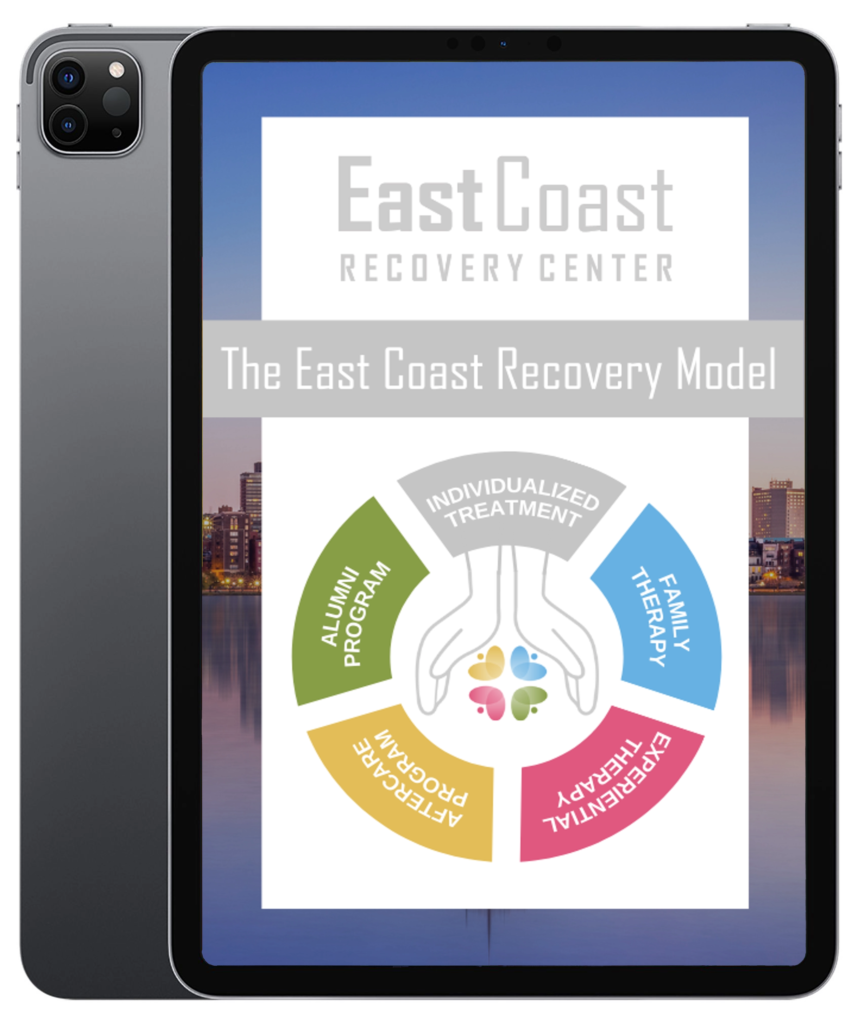
Download Our FREE East Coast Recovery Model eBook
FREE Insurance Verification









Helping Those Struggling With Addiction Achieve SUCCESS