

Driving from Brockton, MA to East Coast Recovery Center in Cohasset takes about 35 to 45 minutes for the roughly 22-mile route, depending on local traffic and driving is often the preferred method.
Using Route 123 East (Centre Street) straight through Abington into Rockland, where it becomes West Water Street and then East Water Street, clients can turn left onto MA-228 North and follow it all the way through Hingham. Alternatively, clients can take Route 123 East to Route 139 East, then turn right onto MA-228 North toward Rockland. From there, clients need only to MA-228 North to the ramp for Route 3 North toward Boston. Take Exit 36 (Derby Street), then follow Derby Street to Cushing Street to connect back to MA-228 North, which leads directly onto Route 3A South.
Public transportation includes commuter rail and regional bus options. For commuter rail, clients can board the Middleborough/Lakeville Line or Kingston Line train inbound from the Brockton MBTA Station to Boston South Station. At South Station, transfer directly to the outbound Greenbush Line commuter train, then get off at the Cohasset MBTA Station. By regional bus, clients can go to the BAT Intermodal Transportation Center in downtown Brockton and board the Brockton Area Transit (BAT) Route 12 Bus, ride it directly to Braintree Station, then catch a regional connection, rideshare, or transfer to the Greenbush Line train to reach the Cohasset MBTA Station.
Coming to our facility from Brockton means a chance to find the path to sobriety the best matches where you are in your recovery journey. At East Coast Recovery Center, we offer tailored outpatient solutions designed to meet you exactly where you are and what goals you want to meet. We work hard to ensure you receive the right structure and accountability based on your progress or history, and are able to build a lasting foundation for recovery.
The Day Treatment program—also known as a Partial Hospitalization Program (PHP)—is our highest level of care, one that provides a full-time structure around 6 hours per day, every day of the week. For this, clients would travel from Brockton to our facility each day, best suited for those who are in early stages of sobriety, people who have severe cravings, or those who are transitioning away from an inpatient program.
With this level of commitment, individuals become fully immersed in the skills they need most to build early sobriety and to maintain coping skills that they can practice when they return home or to their sober living environment each night.
Our next level of care is our partial day programs– also known as Partial Day programs (Partial Day Treatment Program)– which provide a part-time level of support for our clients. This is typically a few hours per day instead of 6 hours per day and often a few days per week rather than every day of the week. This is designed for clients who have greater personal independence and are medically stable but still want to develop additional coping mechanisms with ongoing therapy, accountability, and peer support.
Here, clients can learn how to successfully transition back into society, simultaneously balancing career, academic, or family responsibilities.

Despite the travel time, many clients come to our facility because it provides a chance to both physically and mentally step away from local triggers, to focus entirely on personal healing, and to improve privacy and confidentiality.
Traveling for treatment is one of the main reasons that clients are happy to consider the drive to and from our facility and that of Brockton. By stepping away from familiar environments, people, and routines, clients have a chance to physically extricate themselves from their local triggers, and in some cases this actually creates a supportive space not only physically but mentally.
That break in routine can often help the mind and body reset without the same immediacy that relapse risks might otherwise bring. Moreover, sometimes clients have to leave an enabling atmosphere or toxic person in order to find the fresh start they need most.
By stepping away from the local area, clients have the opportunity to still return home at the end of each day but during the day find opportunities for total focus on personal healing. At East Coast Recovery, we stand out with our flexible outpatient programs making it possible to receive high quality levels of care with part-time support.
Many clients feel more comfortable returning to a supportive home environment in between their sessions instead of having to live full-time at a treatment center and other clients have already completed a residential program but still need comprehensive support.
That is where our programs come into play, providing a distant environment where clients can dedicate all of their energy to therapy, holistic sessions, and coping mechanisms. Stepping away from the distractions of daily life can provide a chance for self-reflection and increased engagement.
Finally, many clients feel more comfortable stepping away from their home environment because of the increased privacy and confidentiality it provides. While there might be a rehab center closer to home, that can also come with risks of running into individuals that people know, especially colleagues or acquaintances.
Coming to East Coast Recovery Center means that clients are out of town so they have complete peace of mind knowing that there’s increased anonymity, they can open up in group therapy sessions, be completely honest with their therapist, and not worry about any stigma or judgment from people they might know.
If you are searching for flexible outpatient programs and the anonymity of an out-of-town facility, call our admissions team today.
https://www.scielo.br/j/rpc/a/pwrBFzsv55xTXSDT3rq7Tcg/?lang=en
https://www.sciencedirect.com/science/article/pii/S0376871622001284
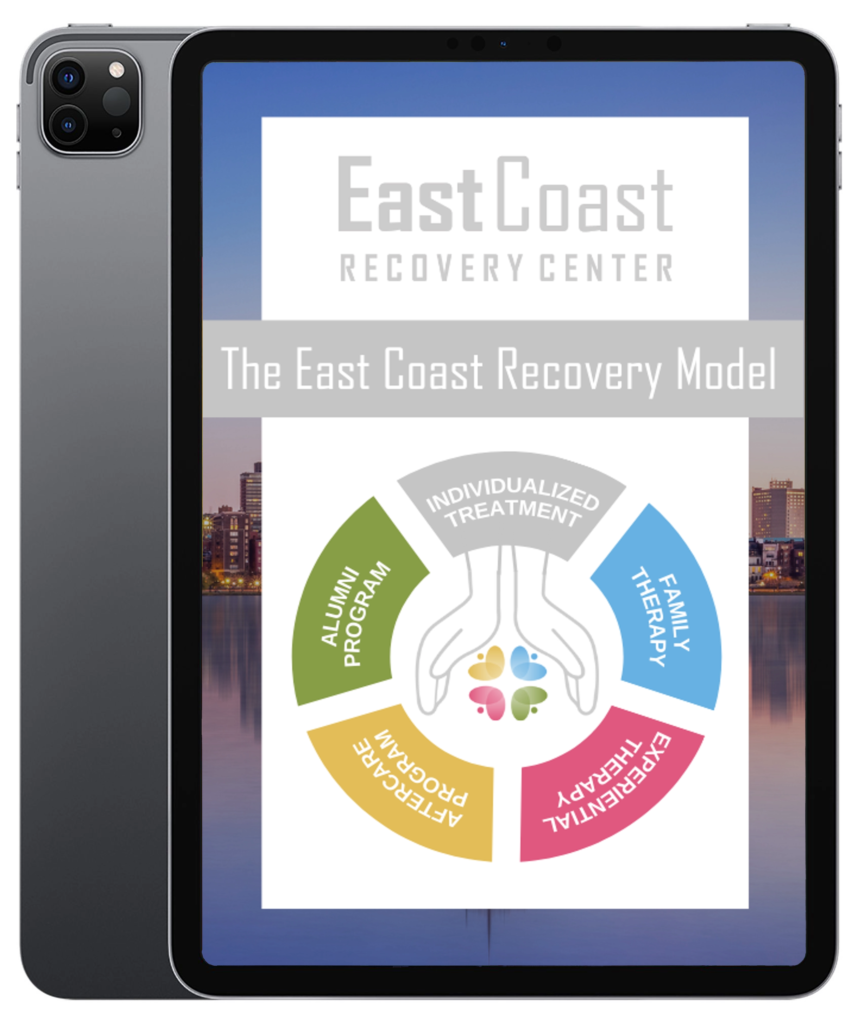
Download Our FREE East Coast Recovery Model eBook
FREE Insurance Verification









Helping Those Struggling With Addiction Achieve SUCCESS