

While each facility is different in what they offer, at East Coast Recovery, your treatment will provide a higher level of care compared to traditional outpatient programs. With our Day Treatment (PHP), each client is assigned a clinician whose job is to create an engaging treatment plan that combines evidence-based therapies and holistic modalities.
Part of that plan will incorporate community integration, like gaining a sponsor or participating in our many outings.
Most day treatment plans last between three and six weeks, and clients are encouraged to continue their treatment with our Partial Day Treatment (Partial Day Treatment Program), but this is based on individual needs.
Some clients are able to transition quickly into another level of care, while others might not follow a standard timeline and take more time to build the skills they need before they transition. Our goal is to focus less on a specific length of time and more on making sure your short-term and long-term goals are met successfully.
Our partial day treatment plans can provide a place for those who feel broken, exhausted, or truly unable to manage their daily life and their recovery simultaneously. Whether you have attended other programs in the past and they have fallen short, or you just need additional support, or you are seeking help for the first time, our treatment programs are curated to your circumstances.
This means the type of evidence-based therapy included throughout your sessions might differ from the people in your group therapy sessions, and the holistic treatments that are incorporated into your plan might be more unique to the things that best fit with your lifestyle.
Clients can benefit from either, having the opportunity to remain at home while participating in a full or partial day of individual and group therapy sessions, as well as skill-building sessions.
For many clients, the prospect of leaving their home and their personal or professional responsibilities for several months at a time may be a significant hindrance to getting care. It is also one of the most expensive forms of treatment, which can also be a hindrance.
With our full day and partial day treatment programs, clients have the opportunity to get a comparable level of care, supervision from clinicians, and access to community and group-based support structures. All of this is achieved while still residing at home and receiving ongoing support from friends and family.
Given the high correlation between addiction and poor mental health, East Coast Recovery offers dual diagnosis support for co-occurring disorders.
Our treatment for co-occurring disorders can be highly beneficial for:
The key to a co-occurring disorder level of care, also known as a dual diagnosis program, is providing care for both addiction and mental illness at the same time. Without addressing both, a separate type of psychiatric program and a rehab program won’t provide clients with the education and skills they need to manage the interplay between these two.
At our facilities, Walpole residents can start a co-occurring disorder program with our outpatient programs. This can provide things like medication management, medication-assisted treatment, and therapy for addiction and mental health disorders at the same time.
Things like depression and alcohol abuse often coexist, and for that, some of the most effective, evidence-based therapies can actually be applied to both. Things like cognitive behavioral therapy in conjunction with self-care habits such as proper nutrition, breathwork, and meditation can be combined to offer personalized care for different circumstances.

If you are a Walpole resident in need of recovery support, there are several long-standing programs that meet throughout the week.
AA meets take place at Epiphany Church on Mondays, Wednesdays, and Friday nights, with other meets on Saturdays and Sundays. Residents can use the AA Boston Central Service Meeting Finder for the most current schedule.
NA meetings often take place in Norwood or Dedham, with options for local and virtual sessions available through the New England Region of NA (NERNA).
For immediate support, though, Walpole residents can call or text the MA Behavioral Health Help Line at 833-773-2445 for 24/7 access to mental health support.
If you live in the Walpole area and you or someone you love is struggling with addiction, we can help. We understand that millions of people are struggling not just with addiction but with coworking mental health disorders, and that is why we are here to connect clients with our comprehensive and personalized treatment plans that include our dual-diagnosis offerings.
Let East Coast Recovery help you find the right level of care today.
If you are ready to start Walpole drug rehab at (617) 390-8349.
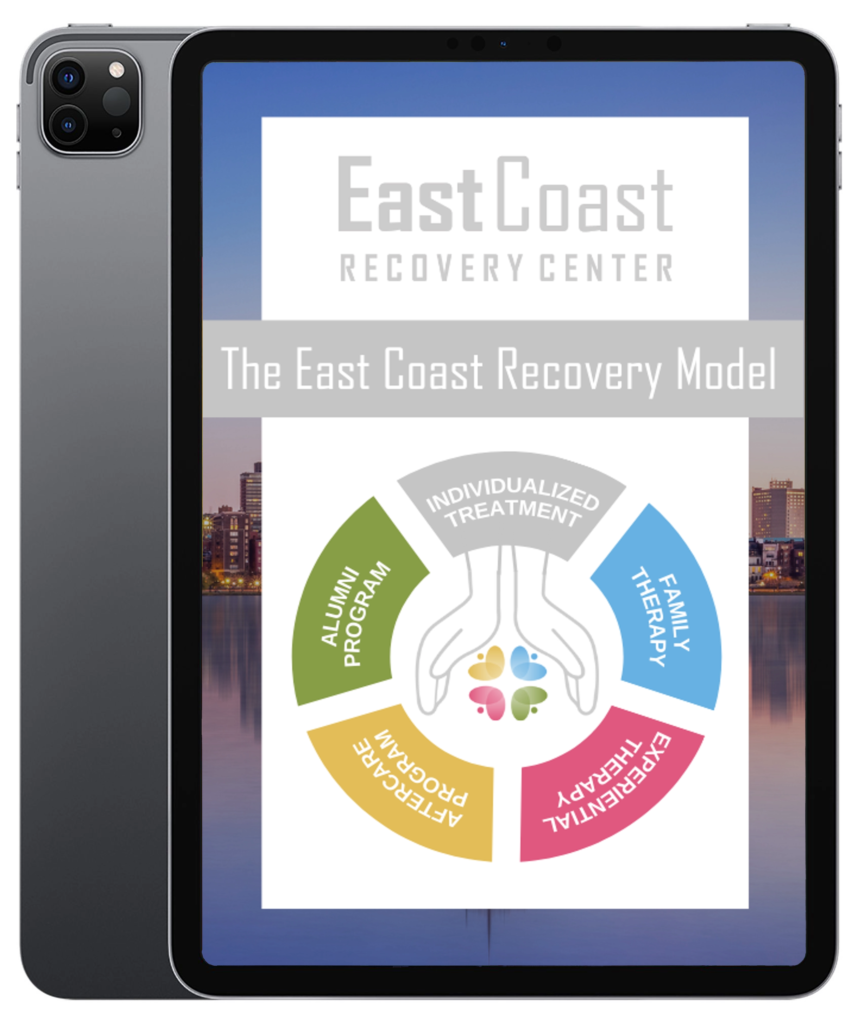
Download Our FREE East Coast Recovery Model eBook
FREE Insurance Verification









Helping Those Struggling With Addiction Achieve SUCCESS