

At East Coast Recovery, we match each of our clients with case managers. These managers help clients in Weymouth rehab with appointments, discharge planning, and custom treatment plans. Each of our clients can participate in a range of potential evidence-based therapies and holistic programs.
At our rehab in Weymouth, MA, you might participate in DBT skills groups. Our DBT skills group teaches the main tenets of DBT:
With each session, you will work with the group to review related lessons, working through examples, ways to practice the skills in real time, and what homework you can try when you are home.
Acceptance and commitment therapy (ACT) is a complementary form of treatment that you can practice in group or individual therapy sessions. With East Coast Recovery sessions, our licensed professionals help you move beyond the automatic negative thoughts you might have and learn to accept the responses you feel.
Our ACT sessions help you learn to accept challenging thoughts and feelings so that you can increase your distress tolerance and emotional regulation, complementary to DBT.
Our yoga sessions provide another way to build distress tolerance and complement the skills acquired in ACT sessions.
For example, working through a yoga session can teach you to sit with a difficult pose, something that generates a bit of distress or discomfort as you stretch and build strength, but a discomfort you know is temporary.
With this information in mind, you can learn to accept that temporary discomfort, utilizing things like breath work to move through the discomfort, knowing that it is temporary. All of this helps you accept other difficulties in life as well, reverting to things like emotional regulation, breath work, or distress tolerance to better manage how you respond to challenges, knowing that they, too, might be temporary.
As you start to build those skills, you’ll be better prepared to maintain your sobriety, but that doesn’t mean that the road will be easy.
Leaving our facility gives you the opportunity to build other skills, like relapse prevention skills.
Relapse prevention skill-building is an opportunity to work with our care team to develop personal skills that help you maintain sobriety. These skills can look different depending on the person, and might include self-care tips, vocational assistance, or information on local support groups.
When you are getting ready to start your program, whether it’s a partial-day program or an Partial Day program, it’s important that you prepare yourself mentally and physically in the weeks that lead up to your first appointments.
One of the first steps to prepare for treatment is to talk to your family about the decision you have made. People in recovery do better when they have family involvement. More importantly, addiction doesn’t just impact the individual; it extends to the entire family, and you might have things like family therapy as part of your treatment plan.
Letting your loved ones know what you are going through and being open and honest about your recovery plans can make it possible for them to be involved as well.
Sometimes, there may be certain legal issues associated with your decision to get help. This could be something like a DUI charge. One of the nice things about outpatient programs is that you still have the flexibility to attend court appearances and wrap up any other obligations, like community service requirements.
While you attend your treatment program, take time now and again to check in with yourself, maybe even writing in a journal. With things like journaling, you can share your feelings as you move through things like cognitive behavioral therapy programs, documenting things that you learned, things that were difficult, or just your general feelings.
Sometimes being able to reflect on how you felt at the start of your program versus how you feel in the middle or near the end can give you motivation to keep going and help you see how far you’ve come.
Below are some potential prompts to help:
And of course, while you are reflecting or reading your earlier journal entries, take time for yourself.
One of the things you will learn about as part of your recovery program is being able to take care of yourself. This often includes lessons on setting boundaries and keeping yourself away from potential temptations when you first get out of recovery.
However, there is a lot more to it, including self-care. Outpatient programs are particularly beneficial because you get to return home at the end of your sessions, so that means you can spend time doing something you really enjoy while you relax and reflect on the things you’ve learned. This might include:
There’s nothing wrong with feeling overwhelmed at times or being afraid of the next steps, but carving out time to reflect on what you’ve learned and experienced during your sessions can be a very useful strategy in keeping your mind as calm as possible.

If you are looking for Weymouth rehab, we can help. We understand how difficult it can be to find a program when you have other obligations, which is why we provide our flexible day and partial day programs that help you maintain your daily routine. With our rehab in Weymouth, MA, you have the opportunity to get the help you need on a part-time basis and still reside at home.
Call our team today at (617) 390-8349 to start your assessment.
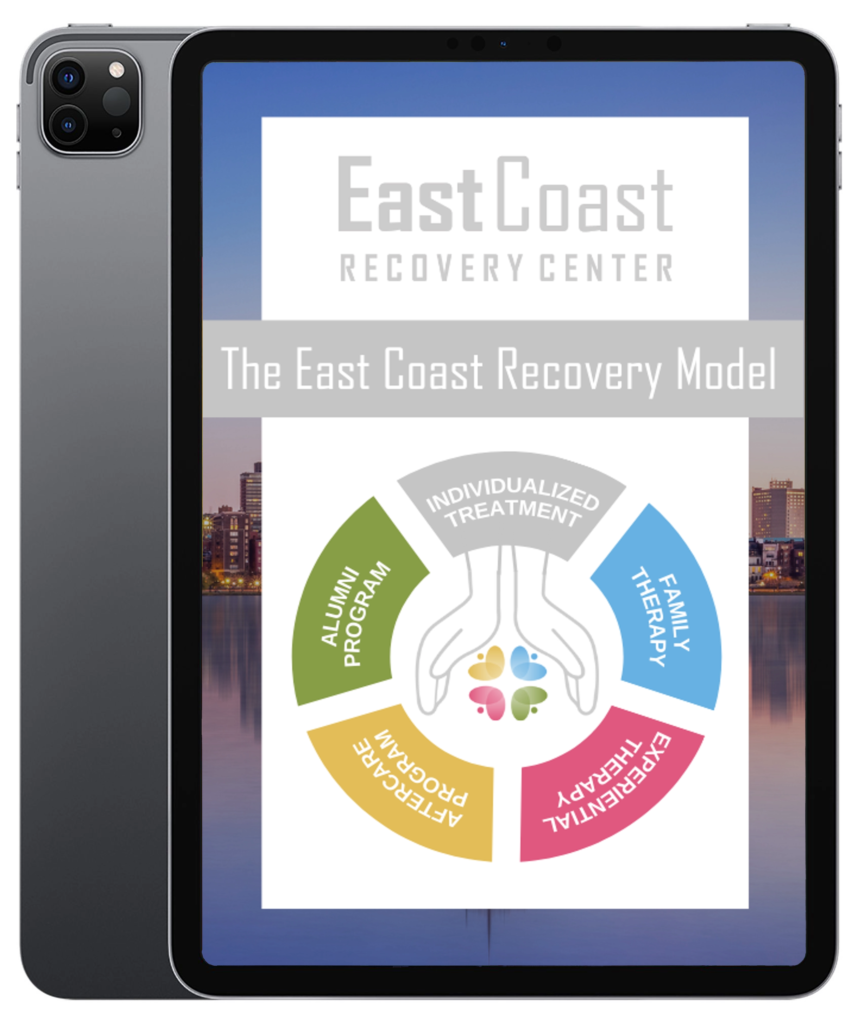
Download Our FREE East Coast Recovery Model eBook
FREE Insurance Verification









Helping Those Struggling With Addiction Achieve SUCCESS