

Charlestown’s tightly knit blocks have weathered shipbuilding booms, urban renewal, and now the synthetic-opioid era. Overdose deaths across Massachusetts reached 33.5 per 100,000 in 2022, but Charlestown still outpaces that grim average. Addiction is not a moral failing; it’s a chronic brain disorder that warps reward circuitry and decision-making. Without professional help, the cycle deepens—jeopardizing health, family, employment, and life itself.
Yet quality care often feels distant: inpatient rehabs can be costly or isolating; quick detox alone rarely prevents relapse. That gap is why our continuum of Day Treatment, Partial Day Treatment, and Outpatient services is designed for Charlestown residents who need robust treatment and the freedom to stay involved at home, work, or school.

Day Treatment delivers about six therapy hours daily, five days per week. You return home—or to sober living—each evening, balancing intensive clinical work with real-life practice. Research shows day-treatment models significantly cut substance use and ease the transition back to everyday life when paired with aftercare.
Partial Day Treatment compresses therapy into 10–12 hours weekly (three-hour blocks mornings or evenings). Perfect for parents, students, or professionals, this program lets you meet responsibilities while still receiving cognitive-behavioral therapy (CBT), group work, and relapse-prevention coaching.
Graduates step down to weekly counseling, alumni groups, and medication check-ins. More than half of people relapse after acute care when aftercare is lacking. Outpatient treatment can help you maintain recovery long-term.
Roughly half of individuals with severe mental illness also battle substance use disorders. Treating only one issue is like patching a leaky boat while ignoring the hole beneath the waterline. We integrate psychiatric evaluation, trauma therapy, and evidence-based modalities (CBT, DBT, EMDR) so healing happens on every level. Clients often discover that stabilizing depression or PTSD dramatically eases cravings and improves self-care.
If you struggle with opioids or alcohol, FDA-approved medications can quiet withdrawal and cravings so you can focus on therapy—not survival. A Massachusetts study of 17,000 overdose survivors showed methadone cut opioid-death risk by 59 percent and buprenorphine by 38 percent within a year. Our clinicians offer Suboxone®, Vivitrol®, acamprosate, and more—always combined with counseling for whole-person recovery.
Nature is therapy. Weekly, we circle up on Cohasset’s shoreline for mindfulness, process groups, or a reflective “write-and-wash-away” ritual in the sand. Exposure to blue space—coastal environments—reduces stress and improves mood, according to systematic reviews of blue-care interventions.
Connection fights cravings. We shuttle clients to Charlestown and Boston AA/NA gatherings, removing barriers like transportation anxiety. Early and frequent 12-step involvement correlates with higher abstinence rates and longer sobriety spells.
Whether you’re volunteering at a Charlestown cleanup, grilling at a weekend cookout, or cheering the Sox with alumni, you’ll relearn joy without substances. Service work boosts purpose and resilience—key relapse-prevention ingredients.
We began as a single sober home. Today, we remain intentionally small so we can know your name, story, and goals. Many staff are in recovery themselves; others specialize in trauma, family systems, or psychiatry. Compassion isn’t a slogan—it’s oxygen here.
Your Charlestown story of renewal begins with one call.
Contact East Coast Recovery 24/7 at (617) 390-8349 or submit a confidential form to start your personalized path to recovery today.

East Coast Recovery offers Day Treatment, Partial Day Treatment, standard Outpatient services, Medication-Assisted Treatment, and integrated Dual-Diagnosis care. Because these levels form a continuum, you can enter at the intensity that fits your clinical needs and step down as you stabilize. Our team tailors schedules, therapies, and support resources to your life in Charlestown, ensuring you receive robust treatment without uprooting work, school, or family commitments. Expect evidence-based counseling, group therapy, skill-building workshops, and access to sober-living options if commuting becomes burdensome.
Environmental-psychology research shows coastal “blue spaces” trigger relaxation responses, improve mood, and spark feelings of awe—all of which lower stress hormones and enhance openness in therapy. Weekly beach groups harness that science by pairing mindfulness or process work with the rhythmic sound of waves. Many clients report breakthroughs they never achieved indoors: the ocean becomes a metaphor for release and renewal. Those positive associations stick—alumni often revisit the shore when cravings strike, turning a scenic spot into a lasting recovery anchor.
Yes. Roughly half of people with substance use disorders also face depression, anxiety, PTSD, or bipolar disorder. Ignoring either condition undermines progress, so we integrate psychiatric assessment, trauma therapies, and medication management alongside addiction counseling. Treating both simultaneously—known as Dual Diagnosis care—yields better sobriety outcomes, reduces hospitalizations, and improves overall quality of life compared with siloed treatment models.
No. When taken as prescribed under medical supervision, medications such as buprenorphine stabilize brain chemistry without producing euphoria. They curb cravings and protect against fatal overdose, serving as a biological “safety harness” while you tackle psychological and behavioral healing. Studies of thousands of overdose survivors confirm that medication combined with counseling dramatically increases survival and long-term abstinence. Dosage and taper plans are customized, and you can discontinue when clinically appropriate—but there’s no shame in long-term maintenance if that keeps you safe and thriving.
We’re in-network with several major insurers and handle verification for free. Insurance often covers significant portions of treatment when medical necessity is established. For those without coverage, we offer sliding-scale rates and financing options. Don’t let cost fears delay lifesaving care—our admissions specialists will guide you through every option and advocate on your behalf.
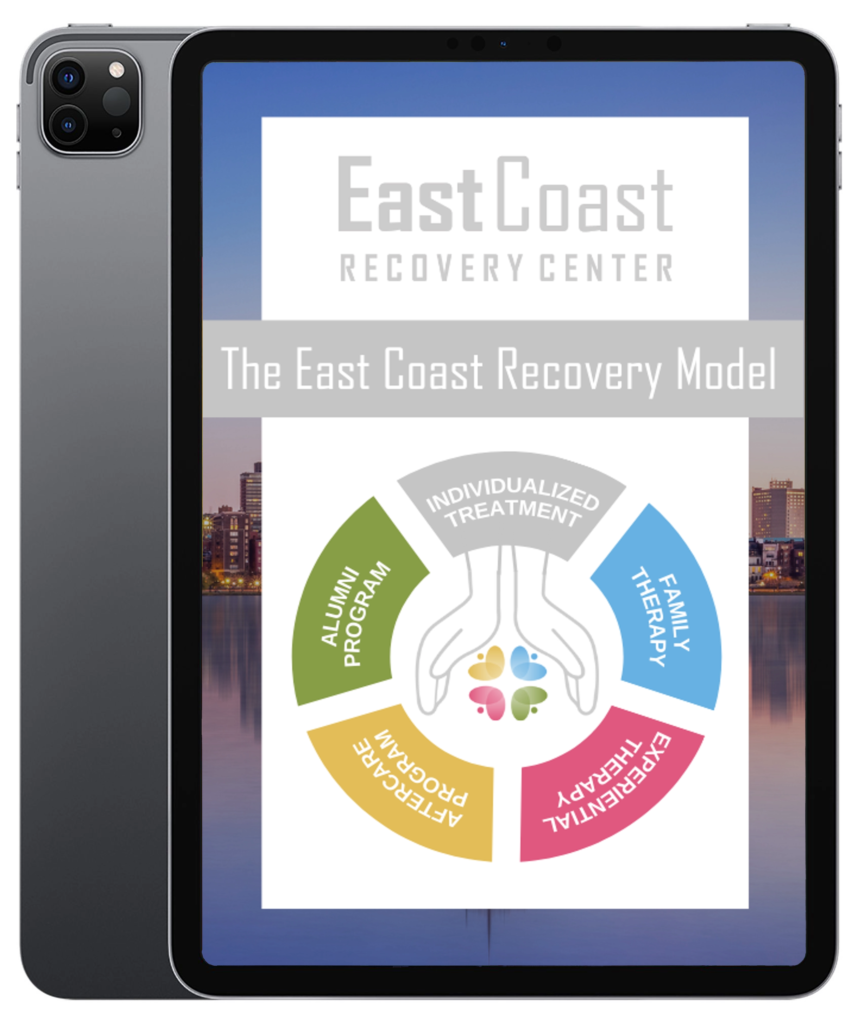
Download Our FREE East Coast Recovery Model eBook
FREE Insurance Verification









Helping Those Struggling With Addiction Achieve SUCCESS