

Clients coming from Springfield can expect transportation time between 1.45 and 2 hours depending on traffic. The fastest route avoids local Boston traffic by looping around the south of the city via the (Mass Pike) toward Boston, and the exit for I-495 South toward Cape Cod/Providence, the I-95 North / MA-128 North, and finally I-93 North toward Boston.
There are also, however, public transportation options including the train from the Springfield Union Station. Via the MBTA Commuter Rail (Framingham/Worcester Line) or Amtrak to Boston South Station, clients can then take the MBTA Red Line inbound to JFK/UMass Station or use the commuter rail to Cohasset by transferring to the MBTA Commuter Rail (Greenbush Line) and take it to the Cohasset Station. The final leg from the Cohasset Station, requires an Uber, taxi, or a local transit for the remaining 3 miles to the facility.
So what makes East Coast Recovery worth the travel time?
One of the many reasons that people from Springfield find it worth their time to travel to our facility is removing themselves from local triggers. Many residents find that familiar environments, routines, even people can actually encourage substance abuse making it harder to participate in full recovery particularly when that recovery takes the form of an outpatient program.
By changing your scenery, changing your routine, and changing the people with whom you associate, you can create a neutral space for rewiring the brain after addiction, restructuring your body from the damage of addiction, and stepping away from the immediate threat of relapse.
Tangentially, clients who travel to our facility have the opportunity to focus exclusively on their recovery by setting up the boundaries between themselves and their everyday stresses like professional obligations or family conflict. Moving away into an immersive environment creates physical distance that enables clients to completely dedicate their energy to building healthy coping skills and participating in therapy.
We know how challenging it can be to admit the need for help especially when there are co-occurring mental health issues at play. A big part of that means people need to trust in their privacy and confidentiality.
For some clients, participating in a rehab program closer to home increases the risk of breaking that privacy. Coming to our facility frees up clients from the fear of local stigma, judgment, friends seeing them drive around town or walk in and out of a known recovery building. This can often create the emotional safety that clients need to be honest in their therapy, to trust that they won’t necessarily run into someone they work with or go to church with or have any other community association with.

At East Coast Recovery Center, we provide day and partial day programs as a way of ensuring that Springfield residents have outpatient options for continued sobriety and support
Each of these programs can take the form of substance abuse treatment plans or dual diagnosis treatment plans offering options for co-occurring substance abuse and mental health disorders.
Participation in either program can provide a step-down approach as well, giving clients the opportunity for a more intensive full day program before transitioning to a slightly less intense partial day program and eventually to our aftercare setup.
Our Day Treatment program provides the highest level of outpatient care for individuals struggling with substance use and mental health disorders. This intensive option operates as a Partial Hospitalization Program (PHP), meaning that it’s the highest level of Outpatient Care available.
It stands apart from traditional residential or inpatient programs because it doesn’t require clients to live at our facility full time making it possible to travel to and from our center. With this program, clients spend an average of 6 hours per day at our Cohasset facility.
This option is designed primarily for early stabilization or as a direct step-down from inpatient detox, offering our clients a highly structured environment. Those who come to our center for a full day program can expect to participate in comprehensive therapies—such as Cognitive Behavioral Therapy (CBT) and Dialectical Behavioral Therapy (DBT)—before returning home or to a sober living space each evening.
The next level of care is our Partial Day Treatment program, structured as an Intensive Outpatient Program (Partial Day Treatment Program). This is the next level down in terms of intensity and doesn’t require the same time commitment but still provides the support that people in early recovery need most.
This flexible track reduces the weekly time commitment, typically meeting for fewer hours per day across 3 to 4 days a week. It is specifically built for medically stable clients, clients who are not at risk of harm to themselves or others, have made progress in their initial recovery, have a safe and supportive home environment, but still require professional clinical support, skill-building, and experiential therapies.
Many clients are willing to make the commute to this partial day program because it allows them to maintain daily routines such as balancing family, personal, or professional obligations while still getting the help they need.
Call our team today to figure out whether our facility can help you meet your recovery goals.
https://www.tandfonline.com/doi/abs/10.1080/10550490802545174
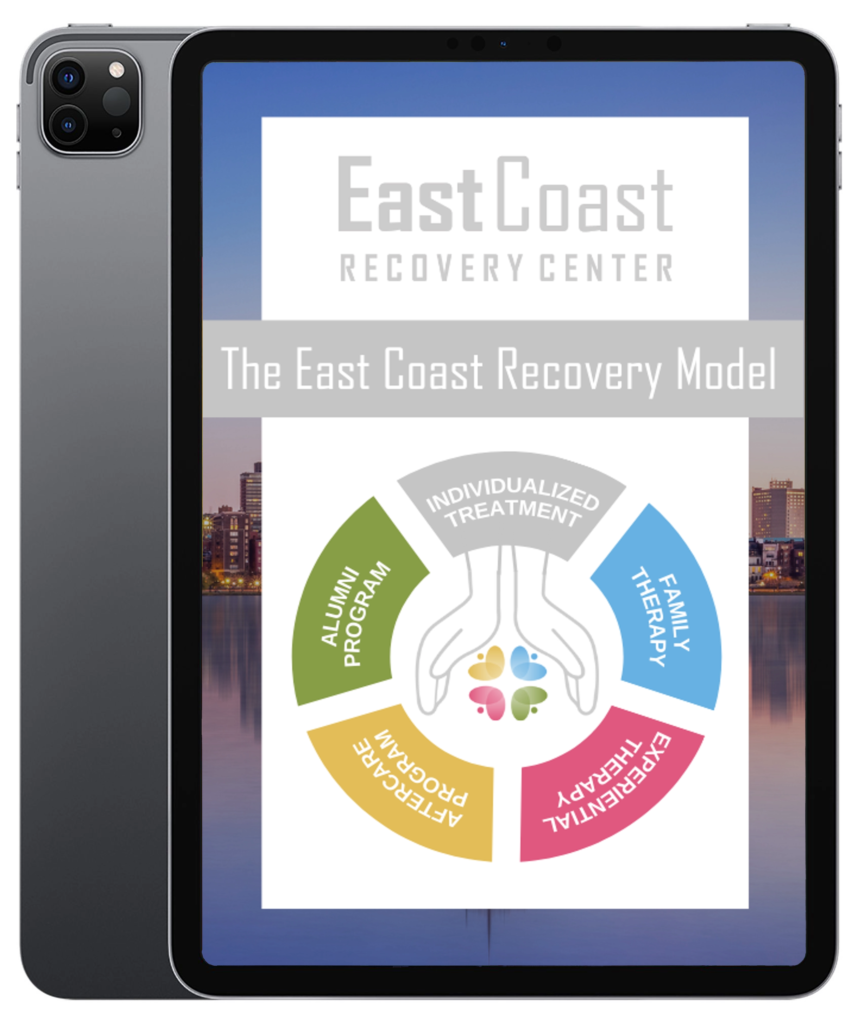
Download Our FREE East Coast Recovery Model eBook
FREE Insurance Verification









Helping Those Struggling With Addiction Achieve SUCCESS