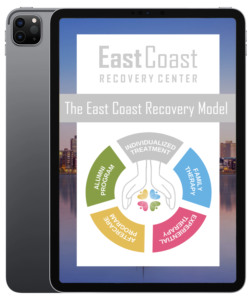
If you have someone in your life struggling with addiction, it’s only natural to want to aid their recovery process. But supporting a loved one who is struggling with addiction or early in sobriety requires a deep understanding of how to help someone with addiction recovery without overstepping or trying to force that recovery. In most cases the best thing a loved one can do is to establish boundaries, remain compassionate, and make recommendations for professional rehab services like East Coast Recovery Center.
How to Help Someone with Addiction Recovery
Supporting someone who is struggling with addiction can be a challenge at first because you cannot force your loved one to seek help if they are not ready but rather, you have to establish and maintain your boundaries while continuing to encourage things like professional treatment.
The best ways you can learn how to help someone with addiction recovery start with understanding addiction yourself. When you understand that addiction is a chronic condition, it can help reduce personal frustration and build better empathy toward a loved one.
It is also important that you encourage your loved one to seek professional help. Your job is not to fix their problem for them but rather to gently steer conversations toward professional care options like the full day or partial day programs offered at East Coast recovery. You can even show your support by helping them research programs or making the initial phone call with them.
If they are not ready to get help, it’s important that you establish clear boundaries, no longer making excuses for their behavior or cleaning up after their actions but allowing them to deal with the consequences of addictive behavior until such time as they are ready to get treatment.
When you speak with your loved one, always do it from a place of non-judgment, with active listening and a calm, supportive tone. Know that your loved one might not be ready now but if you continue to establish clear boundaries and encourage professional treatment, when they are ready you will be able to guide them toward the right type of outpatient rehab program.
How East Coast Recovery Center Can Help You and Your Loved One
At East Coast Recovery, we provide comprehensive outpatient rehabilitation programs that help you and your loved one build the skills needed for long term recovery.
At our treatment center, clients can participate in multiple levels of care, stepping down from a full-time Day Treatment program or full day program to our part-time Partial Day program or partial day program. These different tiers give clients the opportunity to reside at home or in a sober living facility while still participating in daily therapy sessions and holistic services.
Families play an important role in the recovery process at our facility with dedicated family education sessions and family therapy sessions to help you and your loved one rebuild broken trust, provide healthy support at home, and heal codependency.
As an outpatient facility, we provide clients the opportunity to not only receive this care while still residing at home but practice the skills they learn in real time and work treatment around other personal or professional obligations.
Call our team today to learn more about our proactive relapse prevention plans and ongoing aftercare.
FAQs
How Can I Tell The Difference Between Helping Someone In Recovery And Enabling Them?
Helping a loved one means supporting actions they take toward recognizing their addiction and getting treatment. This can take the form of driving a loved one to their therapy appointment or attending a family therapy session with them at one of our full day or partial day treatment programs. It also means avoiding enabling behaviors, things that protect a loved one from the consequences of their addiction like paying bills for them when they spend all their money on drugs or lying to their employers for them.
What Family Support Services Does East Coast Recovery Center Offer?
At East Coast Recovery Center, we incorporate extensive family counseling, educational groups, and communication exercises into our outpatient programs. Whether your loved one participates in our full day or partial day programs, receiving treatment for substance abuse or co-occurring disorders, they can expect family integration. We aim to help loved ones understand how addiction works, set up healthy boundaries at home, and avoid things like codependency that can lead to a relapse.
What Should I Do If My Loved One Completely Refuses To Go To Rehab?
If your loved one refuses treatment, remember that you cannot nor should you try to force them. It’s not your place to force someone into treatment nor would forcing them have the desired outcome. Instead, maintain personal boundaries firmly and avoid protecting them from any consequences that come from their addictive behaviors. Make sure you are still there to love and support them by continuing to suggest professional resources and having conversations with them about how you will still be there to support them during the recovery process, but beyond that it is up to each person to make their choice.
Does Outpatient Care Work?
Those who participate in one of our outpatient levels of care and complete their program successfully will learn essential tools for better understanding personal triggers and how addiction works, as well as improving things like stress management, healthy coping skills, and emotional regulation. We aim to ensure that all of our clients are put in the right level of care based on individual needs and increase the efficacy of each program by incorporating things like family therapy.
What Does the Admissions Process Look Like?
When you reach out to our admissions team, the initial phone call connects you with one of our intake coordinators. Their job is to assess the severity of your substance use disorder and withdrawal risks, your medical history, and mental health history. This information is there to figure out the best program for you whether that is our full day or partial day program or whether you need something like dual diagnosis treatment for co-occurring disorders or medication assisted treatment.
How Much is Addiction Recovery?
If you are looking for addiction recovery for yourself or a loved one, the cost will vary based on several factors, not least of which includes the benefits that are applied to treatment. At East Coast Recovery Center, we work with each of our clients to provide comprehensive insurance support and other Financial options.
How Long Does Rehab Take?
Treatment for substance use disorder or co-occurring mental health disorders will look different for everyone. When clients reach out to our team for addiction recovery support services, we work with them to evaluate needs and from there prescribe the right level of care whether that is our full day or partial day program. In addition to the level of care, we make recommendations for each client based on personalized treatment plans including the length of a program. Most programs are a few weeks to a few months depending on the level of care.
Is It Normal for My Family Member to Relapse?
Yes, addiction is a chronic disease and relapse can be a normal part of the recovery process. This does not indicate that an individual has failed; rather, that they need to adjust their plan and maybe come back to an outpatient program like our partial day program.
Sources
https://search.informit.org/doi/abs/10.3316/INFORMIT.642640787929070
https://link.springer.com/article/10.1186/1471-244x-13-201