

Belmont, though with lower addiction rates than surrounding areas, is not immune from the opioid crisis nor the community threat that ongoing, untreated addiction poses.
Over 60 emergency room visits were reported over the last 3 years relating to opioid overdoses. Surveys from February 2025 highlighted that the community struggles with illegal opioid misuse as one of the top concerns followed by prescription opioid misuse. Other reports have found that cannabis and alcohol abuse are additional concerns within Belmont.
Measures have been taken to allocate more funding for opioid specific education and prevention. The Belmont Health Department has made things like Narcan available to help reverse opioid related overdoses and yet only 41 percent of the community was aware that Narcan was available at the Belmont Health Department.
Still, there is a need for ongoing care services to those within the community who are struggling with addiction currently. At East Coast Recovery, we work hard to provide drug and alcohol rehab Belmont residents can count on.
Rehab is a multi-step process. Just as addiction didn’t happen in one day, rehab doesn’t either.
When you reach out to East Coast Recovery to start your outpatient program, we will work with you to help you:
These key goals are achieved through four steps.
When you first reach out to our team we will walk you through the process of your initial assessment. This starts with your quick intake form, asking you a series of questions to better understand your needs and your goals.
This intake process might include questions about:
In some situations additional tests might be conducted to determine whether you need dual diagnosis treatment for a co-occurring mental health disorder.
Our team will review your insurance plan with you so that you understand what part of your treatment is covered through the insurance you have and how those costs will be managed.
After we have completed your intake we will develop a personalized treatment program for you based on your needs, the information that was gathered during your intake. This assessment will increase your chances of long-term recovery by giving you care that is individual to you and your circumstances right now.
If, for example, you have tried an outpatient program before, but you relapsed, that information will help us tailor your program a bit differently than someone who has never been to rehab before but has a history of trauma.
The next step is the detox process where we utilize medication assisted treatment. During this stage we will help you get through your withdrawal symptoms by prescribing medications that might manage any co-occurring mental health symptoms and alleviate the withdrawal symptoms.
Each case is different as detox can manifest in the form of physical or psychological symptoms depending on the substances to which you are addicted. Just like your treatment plan, your medication assisted detox will also be customized to your needs.
Once you get through that, it’s time to move on to the next stage. Detox helps you get rid of the physical dependency you might have but that doesn’t work to help with behavioral, psychological, or social aspects of addiction. Therapy does.
Therapy is the next stage of your treatment plan. At East Coast Recovery, we use many forms of therapy for our treatment programs including:
Individual therapy sessions are conducted one-on-one with a licensed therapist. These provide a chance for you to explore any underlying causes of addiction, things that may continue to lead to addictive behaviors.
During your time with a therapist you’ll work to cultivate new coping mechanisms that you can apply to difficult emotions, personal triggers, or stress so that you don’t turn back to drugs and alcohol when you leave our treatment center.
Group and family therapy sessions are conducted in a supportive environment where you get to share your experiences and learn from one another. Group sessions provide a chance to build a sense of connection with other group members while family sessions give you a chance to dive into the dynamics you currently have and make changes where appropriate.
These changes to your family dynamics can be a useful way to support long-term recovery especially when it comes to improving communication or doing away with things like enabling behavior.
We know that your journey to sobriety doesn’t end as soon as you complete your outpatient program. It requires constant care.
That’s why we offer an aftercare program. The last stage in your rehab program is aftercare. This is an essential step to maintaining sobriety long-term.
This can include things like:
At East Coast Recovery, we provide access to sober living, support group information in your area, and an aftercare program that keeps you connected to the support and resources you need as you continue your transition into a sober lifestyle.

Drug and alcohol rehab is designed to help clients overcome addiction. There are several stages to this process and at East Coast Recovery, our aim is to be there for all of them.
It is important to remember that recovery is a lifelong process and our aim is to give you the tools you need to start that process but after care and continued participation and support groups can further that goal.
Call now at (617) 390-8349 to start your alcohol rehab in Belmont.
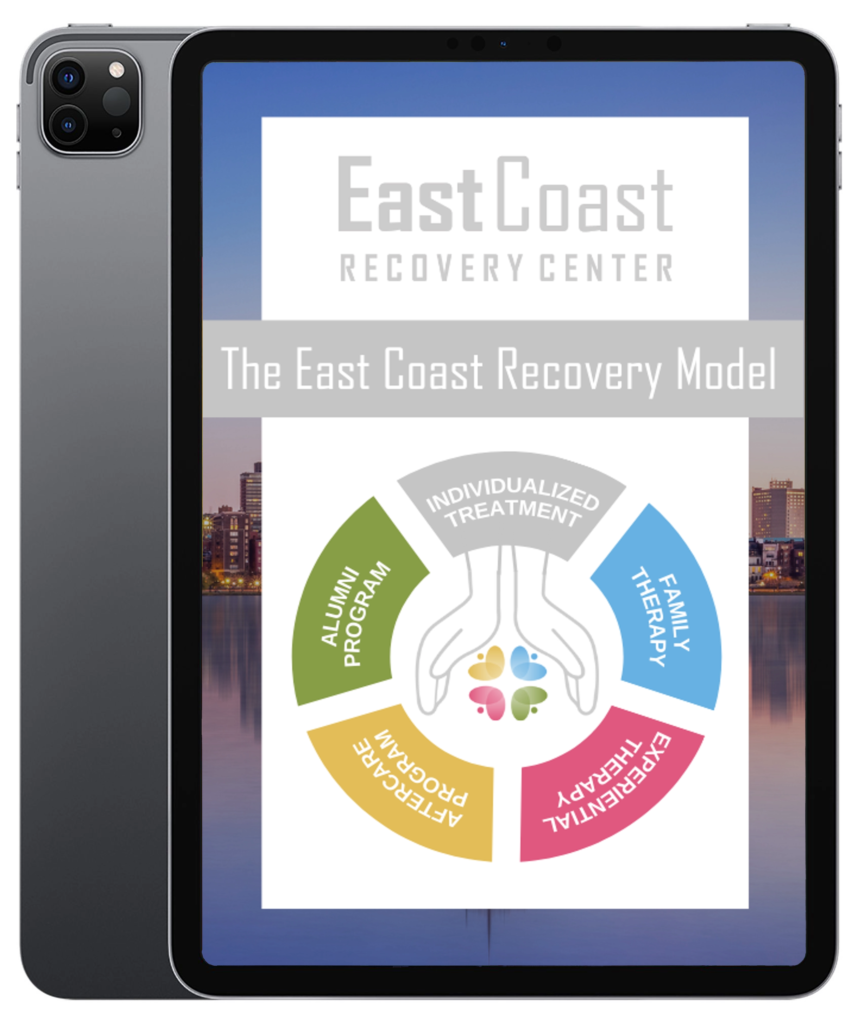
Download Our FREE East Coast Recovery Model eBook
FREE Insurance Verification









Helping Those Struggling With Addiction Achieve SUCCESS