 Written by

Gabapentin (sold under brand names like Neurontin or Gralise) has long been considered a low-risk alternative to opioids for pain. It has been prescribed to manage epileptic seizures, restless leg syndrome, and neuropathic pain, in addition to off-label uses—including anxiety, fibromyalgia, and insomnia.
But is gabapentin addictive in the traditional sense? Peer-reviewed research has since shown that gabapentin carries a real risk of misuse, physical dependence, and addiction, particularly for people with a history of substance use disorders. For anyone affected, finding care covered by insurance can make it easier to start treatment. East Coast Recovery Center in Cohasset, Massachusetts, provides comprehensive outpatient programs for people struggling with gabapentin misuse and addiction.
Is Gabapentin Addictive?
Yes, gabapentin can be misused and can lead to physical dependence and addiction, especially in people with a history of substance use. It acts on the central nervous system by binding to calcium channels in the brain, which changes how nerve cells send chemical messages. When someone who has taken gabapentin regularly stops suddenly, the brain has to readjust, which can cause withdrawal symptoms. These can include tremors, agitation, insomnia, rebound anxiety, and, in rare cases, seizures.
Researchers have compared gabapentin withdrawal to alcohol or benzodiazepine withdrawal.
Co-Occurring Risks with Gabapentin
Gabapentin misuse is more common among people who are also struggling with addiction to other substances. Research suggests that roughly 20 percent of people with an opioid use disorder also misuse gabapentin. This brings with it additional health risks since the concurrent use of moderate-to-high doses of gabapentin alongside prescription opioids increases the overall risk of opioid-related death by approximately 60 percent.
Addressing the source at East Coast Recovery Center
At East Coast Recovery Center, many individuals who reach out for care began with a legitimate prescription from a physician for physical nerve pain or mental health conditions like generalized anxiety disorder or bipolar disorder. So when dependency develops, those same individuals struggle with questions like “Is gabapentin addictive?” and “If I stop taking gabapentin will my other symptoms come back?”
Our therapies are designed to address this intersection of chronic pain, mental health, and substance dependency.
Managing chronic pain
First, we help clients change how they respond to nerve pain. For clients first prescribed gabapentin for nerve pain, acceptance and commitment therapy (ACT) and mindfulness meditation can change how they relate to physical distress.
Through these therapies, clients learn somatic regulation techniques to help quiet the central nervous system instead of letting the physical sensation trigger an immediate panic response or urge to self-medicate with higher and higher doses of gabapentin.
Managing mental health triggers
Second, we help clients who originally took gabapentin for anxiety or emotional distress through trauma-informed care, cognitive behavioral therapy (CBT), and dialectical behavior therapy (DBT). These approaches teach emotional regulation skills that can work alongside medication or, in some cases and with a prescriber’s guidance, reduce the need for it. By processing root traumas and learning concrete distress tolerance skills, our clients build coping skills they can use to handle anxiety spikes or emotional waves safely, without chemical dependency.
Comprehensive Treatment for Gabapentin Abuse at East Coast Recovery Center
If you are struggling with gabapentin addiction, misuse, or co-occurring disorders like anxiety or chronic pain, we can help. At East Coast Recovery Center, our clinical team works with each client to produce customized treatment plans. These incorporate care for physical stability and psychological support. Massachusetts residents who started gabapentin for trauma-induced anxiety or chronic nerve pain can find outpatient programs with us that help heal those root causes too.
Medication-assisted treatment (MAT)
Tapering off gabapentin should happen under medical supervision to reduce the risk of withdrawal seizures and severe psychiatric distress. For clients who also misuse opioids or alcohol, we offer MAT, which uses FDA-approved medications alongside therapy to reduce cravings and support stability.
Evidence-based therapies
Because many clients have underlying mental or physical conditions, our clinical team combines CBT, DBT, and specialized trauma treatment. These modalities help clients understand their automatic urges to take more gabapentin when they feel physical pain or emotional triggers. From there, clients learn to apply healthier coping mechanisms and impulse control to those same urges or triggers.
Holistic Wellness
Located 20 minutes outside of Boston, our facility uses mindfulness meditation and experiential therapies to help clients learn to calm their nervous systems without relying on medication. These practices help clients build resilience against anxiety.
When to Consider Outpatient Care
Consider outpatient care if you have tried to cut back on gabapentin and could not, take more than prescribed, or rely on it to get through pain or anxiety. Because withdrawal can be severe when gabapentin is stopped abruptly, stopping should be planned with professional support. At East Coast Recovery Center we offer a step-down approach with our two levels of outpatient care to help clients manage things like tapering, as recommended by medical staff, and the withdrawal symptoms or rebound anxiety that can occur.
Our gabapentin recovery framework
When clients worry about dependence or how they will manage symptoms of other disorders without prescriptions, we can offer flexible program components with different benefits.
Day treatment provides six clinical hours per day and a structured daily schedule to help disrupt compulsive behaviors. From there, clients can transition to our partial day treatment, where they get real-world opportunities to practice their coping skills and build confidence in between sessions.
Where necessary, our MAT services can be integrated into our outpatient programs to calm the central nervous system and reduce cravings.
We can also help resolve underlying anxiety, PTSD, or chronic distress with our trauma-informed therapies. These help address the primary psychological drivers that can cause off-label dose increases of gabapentin.
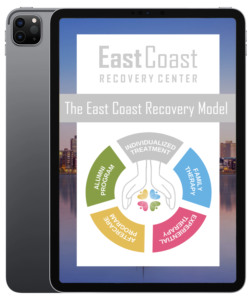
When clients finish day treatment and partial day treatment, our support structure continues in the form of aftercare. Our aftercare program is there to ensure continued peer accountability and community connection. This can be an essential part of recovery, helping to mitigate isolation and prevent relapse.
If you are ready to get help for misuse of gabapentin or other co-occurring disorders, we are here. Call (617) 390-8349 today.
Sources
https://pmc.ncbi.nlm.nih.gov/articles/PMC5573873/
https://pmc.ncbi.nlm.nih.gov/articles/PMC6153543/